Belgian Malinois · Greece

Built one at a time.

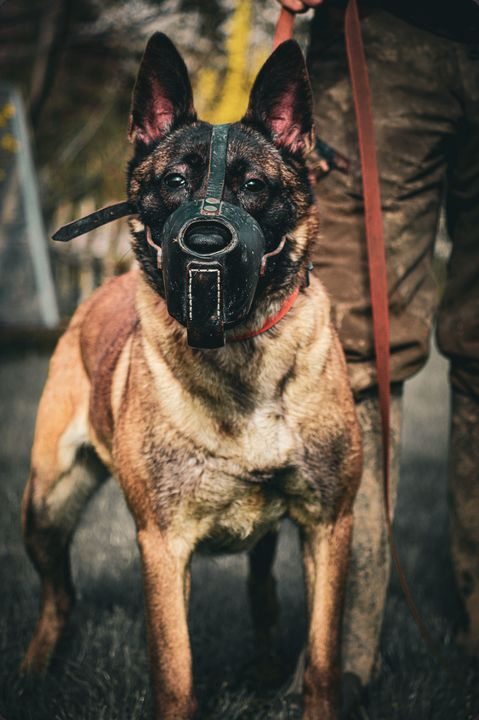
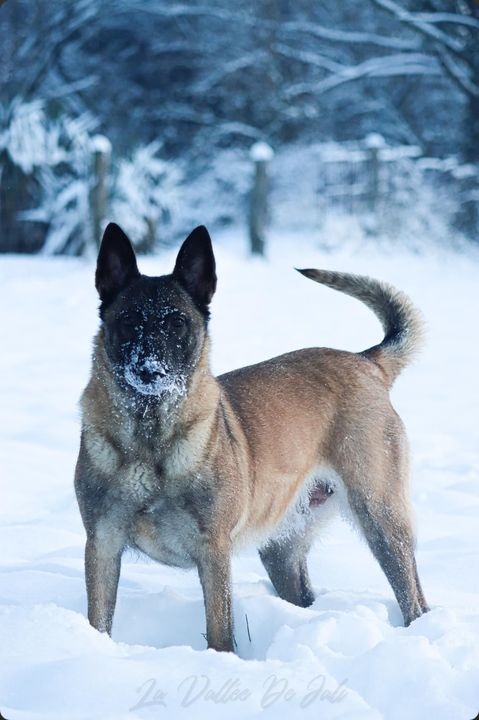
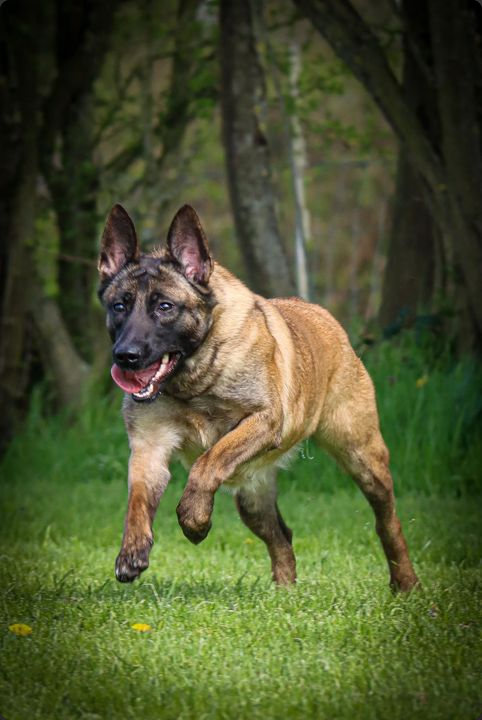
I breed, raise and train a small number of working-line Belgian Malinois for serious personal and property protection. Keeping the program small means I stay directly involved with every dog — and with the client who will eventually live with it.

The Program

About Protection Dogs GR

A Small Program Built Around the Dog

Protection Dogs GR is a small working-dog program focused on developing capable, stable Malinois for real protection work. I start with proven working genetics, then evaluate what each dog actually shows through development and training.

The goal is not to make a dog look impressive in a demonstration. The goal is to develop a dog that can work with intensity, stay clear-headed under pressure, and return to control when the situation changes.

A bloodline gives you potential. The trainer determines what becomes of it.

The Program

Protection Dogs GR is a small, trainer-led working-dog program. I breed, raise and develop a limited number of Malinois so I can remain directly involved with each dog from early development through final placement.

The Standard

I want commitment without loss of clarity, stability outside the work, and the ability to recover and return to control when pressure ends. Not every dog belongs in protection work, and I do not place one simply because it can perform a demonstration.

The Relationship

Because the program is small, clients deal directly with me throughout the process. When a dog is reserved during development, the future owner can follow its progress, ask questions, receive current photos and videos, and gradually become part of the dog's preparation before handover.

Why Availability Is Limited

I only work with a small number of dogs at a time because I train and evaluate them directly. Availability is therefore limited by training capacity, not by artificial scarcity.

If you want to discuss a current or future dog, contact me directly:

Available for Reservation

Available Protection Dogs

Currently available for reservation: 1

Dogs currently in development are shown here as they progress. Every dog follows the same core training standard and is evaluated continuously before final handover.

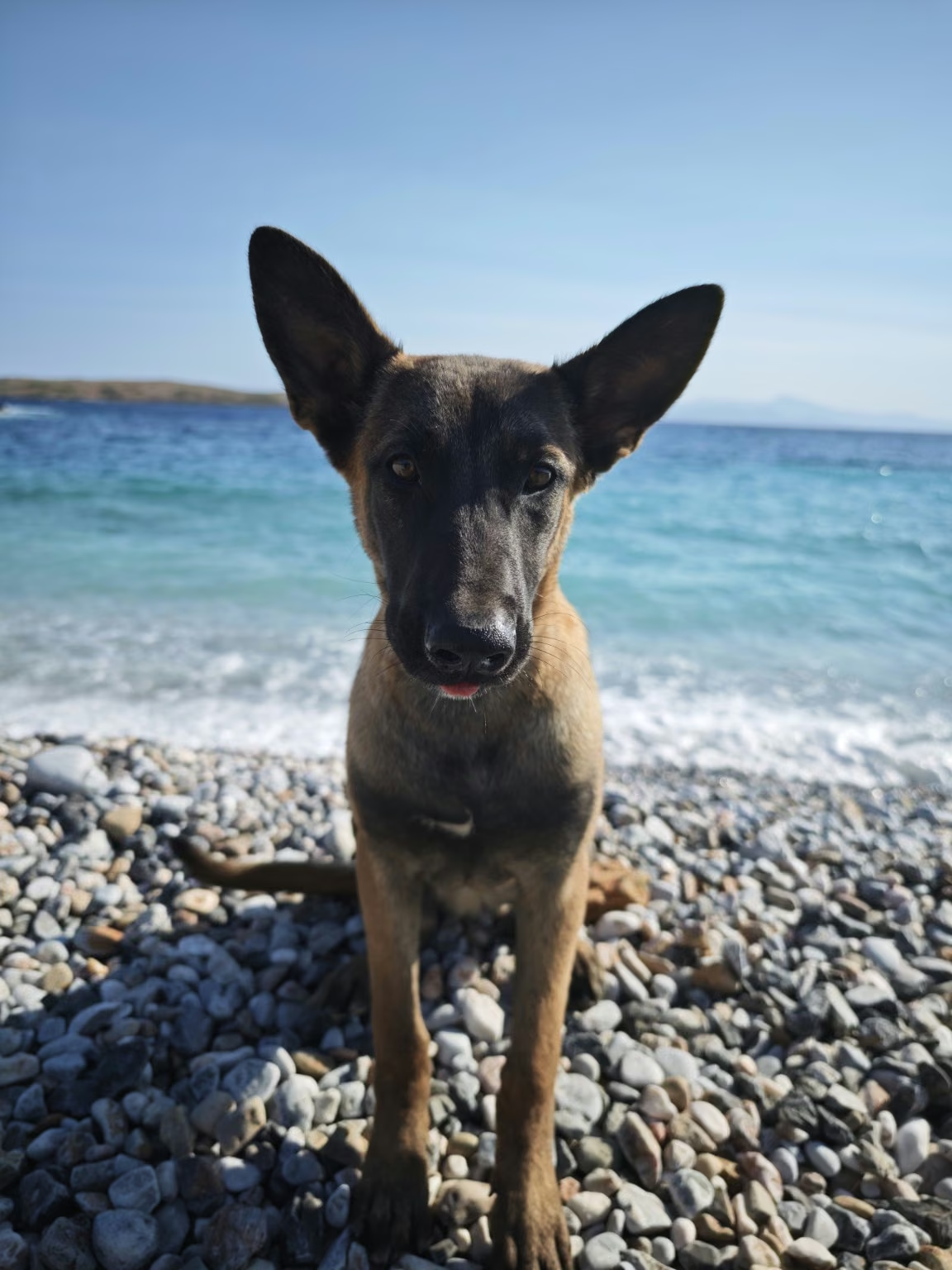
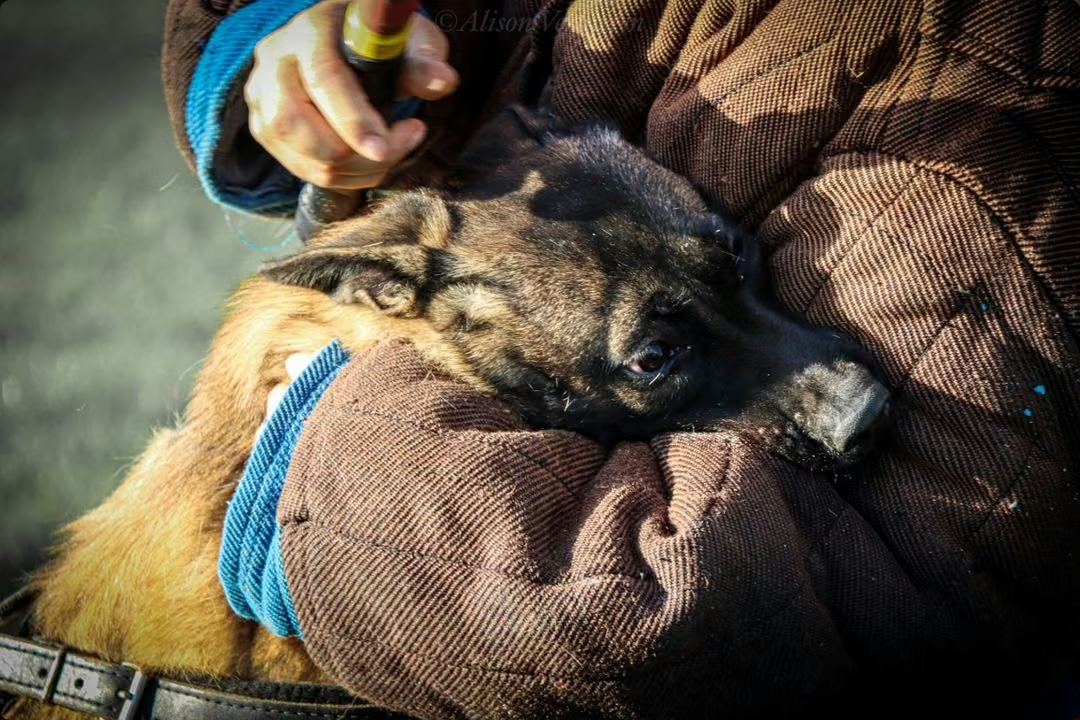
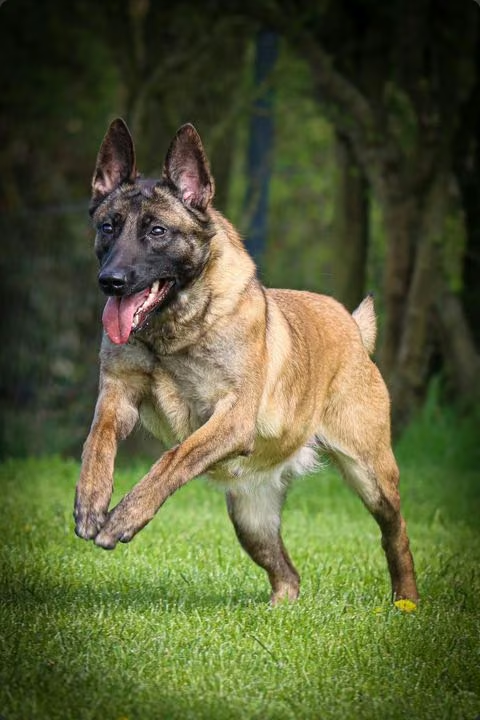
Bobo, Belgian Malinois protection dog in development

Bobo

Protection Dog · In Development

BornMar 11, 2026
LineWorking Line
StatusAvailable for Reservation

Bobo has completed the selection phase and has been accepted into my protection-dog program. He is now in active development and is available for early reservation while I continue his training through to final handover.

Reserving Bobo during development allows the future owner to follow his progress, receive current updates, and give me time to shape the later stages of his training around the future household, routine, and requirements.

About Bobo

  • Proven working-line genetics with strong drive
  • Strong environmental confidence and early development
  • Strong focus and situational awareness
  • In protection development now, training toward handover
  • Extensively socialized in real, everyday environments
  • Being raised into a serious personal and property protector

Early Reservation

EUR50,000

Bobo is the last dog at this price point. Pricing moves to €70,000 starting with the next litter.

An agreed staged monthly payment schedule can be arranged so the cost is spread across his remaining development, rather than paid all at once.

Discuss Bobo & Reservation

Future Availability

From the Next Litter

ExpectedLate 2026
BreedBelgian Malinois
LineWorking Line

The program remains deliberately small. If you want a future dog, I'd encourage you to speak with me early — when a suitable dog makes the program and the match is right, reservation can begin during development rather than waiting until final handover. That gives you the opportunity to follow the dog, build a relationship with the process, and spread payments across the development period.

Discuss a Future Dog

Reservation

A Dog You Watch Develop

For many clients, the relationship begins before the dog is finished. When a suitable dog is reserved during development, I keep the future owner close to the process — current photos, short videos, and honest training updates, so they can watch the dog grow and follow the progression toward handover.

The updates are intentionally real rather than produced like advertising. Much of the day-to-day training is simply filmed as it happens, the same way I'd film it for my own review. The point isn't to create content — it's to let the future owner see their dog honestly over time.

How I Develop Each Dog

A five-phase development system built around a simple principle: drive and self-control are developed separately, then brought together deliberately.

1 / 5

Phase 1

Early Development

0-3 Weeks

Development begins in the first days of life. Early handling and controlled stimulation are used to build a stronger foundation for later environmental confidence and stress resilience.

Early Handling (3-16 days)

Structured early handling and stimulation exercises that build a foundation for stress resilience later in life

Environmental Enrichment

Controlled exposure to textures, surfaces, and sensory experiences

Temperament Assessment

Continuous evaluation of genetic expression and aptitude indicators

Evaluation

How I Test and Evaluate

Intensity alone tells me very little.

I want to see what happens when pressure becomes layered, unfamiliar and unpredictable. The dog must remain committed without losing clarity, and it must be capable of returning to a controlled state when the situation changes.

Recovery is particularly important to me. I watch how quickly a dog can process stress, re-engage and return to productive work. That tells me considerably more than intensity in a familiar training setup.

I film training sessions so I can review both the dog's performance and my own handling. The purpose is simple: evaluate honestly, identify weaknesses early and make better decisions as the dog develops.

Development

Breeding

How I Choose Breedings

Breeding decisions in my program go beyond a health clearance and a good pedigree on paper. I look for genuine complementary drive character between sire and dam — lines that fill in each other's gaps rather than stacking the same strengths and the same risks. I work closely with the math behind it too: coefficient-of-inbreeding calculations across the full pedigree, not just the first two or three generations, so I understand exactly what I'm concentrating and what I'm diluting before a breeding decision is made.

I've also brought in outside lines deliberately — including dogs from rare, closed Belgian working bloodlines used by special forces and law enforcement programs — specifically to strengthen genetic depth rather than simply chase a name on paper. It is a slower way to breed and develop dogs, but it gives me more control over what I am producing and why each breeding is made.

My Breeding Standards

Every dog I raise goes through the same training system, refined through hands-on work and continuous evaluation. The system is consistent, but the trainer still has to read the individual dog and make the right decisions at the right time.

Foundation comes before pressure. Before a young dog ever sees real pressure equipment, I build frustration tolerance the right way — through structured chase-and-release work that teaches a dog how to want something intensely and still stay thinking. Skip this step, and you get a dog that's explosive but can't be brought back down. I don't skip it.

Calm is the anchor, not the exception. I train every dog to return to a settled, possessive calm as its default state — even mid-grip, even under stress. A protection dog's job isn't to stay wound up; it's to know exactly when to switch states, and switch back just as fast.

Everyday Life

Family Environment

The dogs are not developed in an isolated commercial environment. They are part of my day-to-day life while they grow and train.

My family is naturally around parts of that process, which gives me additional opportunities to observe how a dog settles, responds to normal household activity, and behaves outside formal training.

Fit

Who These Dogs Are For

These dogs are matched carefully, including with:

  • People protecting a family or home
  • Business or property owners with genuine security concerns
  • People facing a specific threat or security problem
  • Experienced handlers looking for a serious working dog

The right placement depends on both the dog and the handler. A protection dog is not simply purchased; it has to be matched to a person who understands the responsibility of owning and maintaining a serious working dog.

Placement

Pricing & Reservation

Fully Developed Protection Dog

  • Advanced Command Training
  • Real-World Obedience Under Pressure
  • Public Space Discipline
  • Vehicle & Travel Trained
  • Working-Line Genetics

Standard price from the next litter forward. Availability depends on current training capacity and the dogs coming up.

EUR70,000

One standard. No training tiers. An agreed staged monthly payment schedule can be arranged across the remaining development period, rather than one payment at handover.

Included in Placement

  • Continued development to the program standard
  • Final handler integration and training
  • Environmental and public-space proofing
  • Vehicle and travel preparation
  • Individual preparation for your circumstances
  • Ongoing support after placement

A client doesn't necessarily have to wait until a dog is finished and pay the full placement price in one transaction. When I have a dog that has made the program and I believe there's a suitable match, the client can reserve during development — I know who I'm preparing the dog for, and they can follow that development as it takes place. The relationship begins before handover, not on delivery day.

Once a dog is matched to a future handler, later work can also be adapted to that person's environment and requirements without lowering the standard.

Discuss Availability & Reservation

Questions

Frequently Asked Questions

I keep the breeding program small and selective. Working ability, nerve, health, pedigree depth, and complementary traits between sire and dam all matter. The goal is not to produce more litters; it is to give the training program better raw material to work with.

Every dog is tested under real, layered pressure - not a single controlled scenario, but compound, unpredictable stress that reflects what a genuine security situation actually looks like. What I look for is clarity under pressure, commitment, how quickly the dog recovers and re-engages, and whether it returns to control when the situation changes. These are not standard protection dogs - they are working dogs developed for genuine security needs.

These dogs require experienced handling. They are true working Malinois with strong drives - not standard family pets. Handlers must be committed to maintaining training and managing a high-drive working dog. I provide handler training and ongoing support to support a successful integration.

Development starts with early handling and environmental work, followed by socialization, obedience, drive development, protection foundations, progressive scenario work, final evaluation, and handler integration. Every dog follows the same core standard; later work can be adapted to the future handler and environment.

Every breeding prospect undergoes extensive health testing including hip and elbow certification, comprehensive DNA screening, and full veterinary examination. I only breed dogs that meet my strict health and working requirements to maintain the standard of the program.

I carefully evaluate each potential client to make sure they understand the commitment required for a true working dog. This includes assessing handler experience, security needs, and ability to maintain training. These dogs are for serious protection needs and require experienced handling.

There is no fixed waiting period because availability depends on the dogs currently in development and how many I can train properly at one time. Contact me to discuss the dogs currently in development and upcoming availability.

Reviews

What Clients Say

Medical support solutions relevant to working-dog and protection environments

Private Enquiry

Contact

Every placement begins with a conversation. Because I work with a small number of dogs, I want to understand the person and environment before deciding which dog — if any — is appropriate.

What happens next:

  1. Enquiry
  2. Direct conversation
  3. Suitability and match
  4. Reservation when appropriate
  5. Development
  6. Handler integration and handover
  7. Ongoing support

Tell me about:

  • Your location
  • Household and family situation
  • Other animals
  • Previous dog / working-dog experience
  • Property and daily environment
  • Travel
  • Intended role for the dog
  • Preferred timing
  • Whether you're interested in early reservation
  • Your information is treated privately and used only to respond to your enquiry.
  • I typically respond to all enquiries within 24 hours.